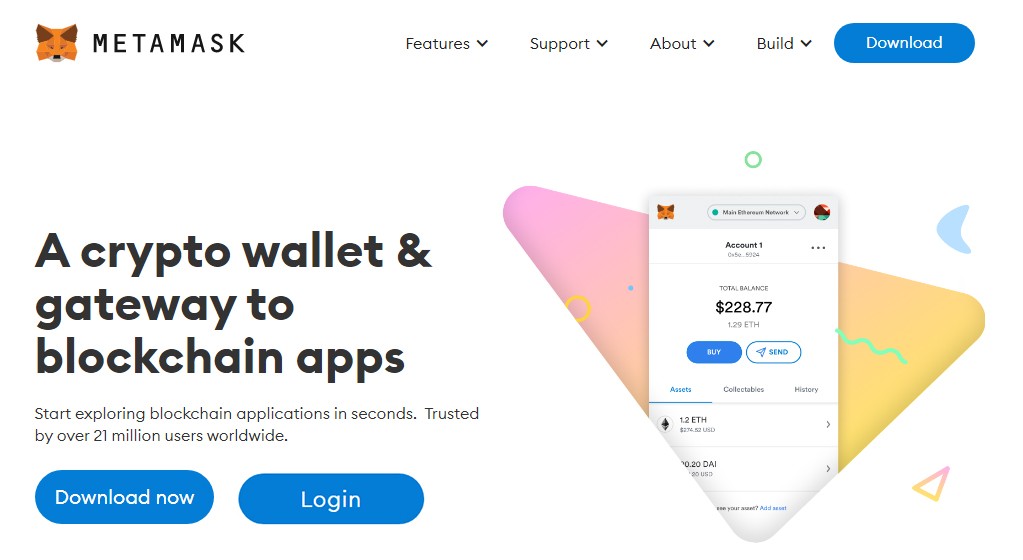
MetaMask Wallet Extension:
Introduction: Understanding the Role of MetaMask in Web3
The rapid expansion of blockchain technology has brought millions of people into the world of decentralized applications (dApps), cryptocurrency trading, and digital asset ownership. In this evolving digital ecosystem, MetaMask has emerged as one of the most essential tools for users who want to interact with Web3. The MetaMask Wallet Extension is more than just a crypto wallet; it is a complete access gateway into decentralized finance (DeFi), NFTs, blockchain gaming, and countless Ethereum-based services. Its ability to connect seamlessly with browsers such as Chrome, Firefox, Brave, and Edge has made it a standard for anyone entering the decentralized world.
MetaMask was originally launched by ConsenSys in 2016. Its purpose was to provide a simple, secure bridge between browsers and the Ethereum blockchain. Over the years, MetaMask has evolved into a powerful, multi-network wallet capable of storing ERC-20 tokens, interacting with multiple chains like Polygon and Binance Smart Chain, and enabling seamless Web3 integration. This article explores MetaMask in depth—its features, installation, settings, security, usage, and advantages—giving you a complete understanding of why it is one of the most popular blockchain wallets worldwide.
What Is the MetaMask Wallet Extension?
At its core, the MetaMask Wallet Extension is a browser add-on that allows users to manage cryptocurrencies, store digital tokens, and interact with blockchain-based applications. Unlike traditional centralized wallets, MetaMask is non-custodial, meaning you retain full control over your private keys and assets. Everything happens directly on the blockchain; MetaMask simply acts as the interface that makes this process easier.
In addition to storing assets, MetaMask enables users to perform transactions, send or receive crypto, swap tokens, and connect to virtually any decentralized platform. Because it is integrated directly into the browser, it provides fast access without requiring external applications. This combination of convenience and blockchain functionality has propelled MetaMask into the mainstream Web3 toolkit.
Key Features of the MetaMask Wallet Extension
1. Multi-Crypto and Multi-Network Support
Although MetaMask was designed for the Ethereum network, its capabilities have expanded tremendously. Today, users can manually add blockchains such as:
Polygon (Matic)
Binance Smart Chain
Avalanche
Fantom
Arbitrum
Optimism
and many others.
This makes MetaMask a flexible and universal wallet for interacting with multiple ecosystems.
2. Secure Private Key Management
MetaMask stores private keys locally on the user’s device, encrypted with a password. It never sends keys to central servers. This decentralized approach ensures that only the wallet owner controls their assets.
3. Built-In Token Swaps
MetaMask includes a Swap feature that aggregates prices from decentralized exchanges, giving users the best rates for token exchanges without leaving their wallet.
4. Seamless dApp Integration
Most decentralized applications automatically recognize MetaMask when loaded in the browser. With a simple click, users can connect their wallet and begin interacting instantly.
5. Supports NFTs
MetaMask supports ERC-721 and ERC-1155 tokens, meaning it can store, display, and manage NFTs from various marketplaces, including:
OpenSea
Rarible
Foundation
SuperRare
6. Simple User Interface
Despite being loaded with advanced features, MetaMask maintains a clean and beginner-friendly interface accessible to any user.
7. Hardware Wallet Integration
For added security, MetaMask supports hardware wallets like Ledger and Trezor. This allows users to combine MetaMask’s convenience with the highest level of security.
How to Install the MetaMask Wallet Extension
Step 1: Choose Your Browser
MetaMask is available on:
Google Chrome
Mozilla Firefox
Microsoft Edge
Brave Browser
For the best experience, Chrome or Brave is generally recommended.
Step 2: Visit the Official Website
Always download MetaMask from the official source:
The browser’s official extension store, or
The official MetaMask website (never from random third-party sites to avoid phishing attacks)
Step 3: Install the Extension
Click “Add to Browser” to install the extension. The MetaMask fox icon will appear in the upper right corner.
Step 4: Create a Wallet
You will be asked to:
Create a new wallet, or
Import an existing one using a Secret Recovery Phrase (12-word seed phrase)
Creating a new wallet requires setting up a strong password.
Step 5: Backup Your Secret Recovery Phrase
MetaMask will provide a 12-word backup phrase, which is the only way to recover your wallet if you lose your device or forget your password.
You must:
Write it down on paper
Store it securely offline
Never share it with anyone
This recovery phrase is the most important part of your wallet security.
Exploring the MetaMask User Interface
1. Account Dashboard
Here, users can:
View their balance
See token lists
Access the transaction history
Add new assets
2. Network Selector
The wallet comes pre-configured with Ethereum Mainnet, but users can switch between testnets or add custom networks like Polygon or BSC.
3. Send and Receive Functions
Send tokens by entering:
The receiver’s address
The amount
Gas fees
Receive tokens by sharing your wallet address.
4. Swap Interface
Lets users exchange tokens without relying on external exchanges.
5. Connected Sites
Users can view and manage all dApps that have access to their wallet.
Understanding MetaMask Networks
Ethereum Mainnet
The primary blockchain for:
ETH transactions
DeFi protocols
NFT marketplaces
Test Networks (Testnets)
Used by developers for experimenting without real money. Examples include:
Sepolia
Goerli (legacy)
Custom Networks
Users can manually add other chains. For example:
Binance Smart Chain Example:
Network Name: BNB Smart Chain
Copy RPC URL from the official documentation
Chain ID, Symbol, and Block Explorer URL are added manually
How MetaMask Works With Decentralized Applications (dApps)
When visiting a dApp like Uniswap, OpenSea, or Aave, the platform requests permission to connect to your wallet. After approval, users can:
Trade tokens
Mint NFTs
Borrow and lend crypto
Play blockchain games
Participate in governance
All interactions are signed directly from the wallet.
MetaMask makes Web3 integration effortless, allowing users to navigate the decentralized internet without needing technical expertise.
MetaMask and NFTs: A Perfect Match
Storing NFTs
NFTs appear under the “NFTs” section in MetaMask. Users simply add NFT contract addresses if needed.
Buying NFTs
MetaMask can be used to purchase NFTs on marketplaces like OpenSea by connecting the wallet and approving transactions.
Minting NFTs
During NFT launches or drops, MetaMask facilitates minting directly from project websites.
Managing Gas Fees on MetaMask
One of the important aspects of blockchain transactions is gas fees. MetaMask gives users control over gas prices:
Priority Gas: Faster confirmations, higher fees
Low Gas: Cheaper but slower
Advanced Options: Users can set custom Max Fee and Max Priority Fee
MetaMask even displays estimated confirmation times, helping users choose the best fee option.
MetaMask Security: Protecting Your Assets
1. Secret Recovery Phrase Protection
Your 12-word phrase must NEVER be shared. MetaMask does not store or recover this information. Losing it means losing access forever.
2. Device Security
Use strong passwords and never share devices with untrusted individuals.
3. Watch Out for Phishing Websites
Many scams imitate MetaMask websites. Always verify URLs before entering sensitive data.
4. Avoid Signing Unknown Contracts
If you don’t fully understand what a smart contract is asking to do, decline the signature.
5. Use Hardware Wallets
Integrating Ledger or Trezor significantly increases security.
What Are the Benefits of Using MetaMask?
1. Easy Access to Web3
MetaMask acts as the backbone of Web3, allowing everyday users to engage with advanced blockchain services.
2. High Level of Control
Since it is non-custodial, users maintain complete ownership of their crypto.
3. Multi-Chain Flexibility
Users can explore various networks all within one extension.
4. Free, Open-Source, and Community-Driven
MetaMask is transparent and constantly upgraded with community contributions.
5. Widespread Adoption
Most dApps worldwide are optimized to work with MetaMask.
Common MetaMask Issues and Solutions
1. Tokens Not Showing
Solution: Add the token contract address manually.
2. High Gas Fees
Solution: Use alternative Layer-2 networks like:
Polygon
Arbitrum
Optimism
3. Stuck Transactions
Solution: Use “Speed Up” or “Cancel” options inside MetaMask.
4. Can’t Connect to a dApp
Solution: Refresh the page or reconnect manually from the “Connected Sites” menu.
Best Practices for Using MetaMask
1. Keep Software Updated
Always use the latest version of MetaMask to avoid vulnerabilities.
2. Use a Hardware Wallet
Ideal for large asset holdings.
3. Store Your Recovery Phrase Offline
Paper or metal backups are recommended.
4. Use a Separate Browser for Crypto
Reduces the chance of malicious plugins interfering.
5. Double-Check Transaction Details
Once confirmed, blockchain transactions cannot be reversed.
Future of MetaMask and Web3
MetaMask continues to expand with features like:
MetaMask Snaps (plugins that extend wallet functionality)
Cross-chain compatibility
Better security tools
Mobile wallet improvements
As blockchain adoption grows, MetaMask is expected to remain at the forefront of decentralized access.
Conclusion
The MetaMask Wallet Extension is an essential tool for anyone exploring the decentralized world. Whether you're trading crypto, collecting NFTs, accessing DeFi platforms, or exploring blockchain games, MetaMask provides secure, reliable, and seamless access. Its user-friendly interface, multi-network flexibility, and widespread adoption make it the ideal entry point into Web3.
With proper security practices and a clear understanding of its features, MetaMask becomes not just a wallet but a powerful gateway to the future of the internet—one that is decentralized, user-owned, and permissionless.